Embrace independent prescribing but don't forget deprescribing
Neil Trainis,
09 Jul 2026 4 Min
4 Min

Neil Trainis,
09 Jul 20264 Min
Neil Trainis,
09 Jul 20264 Min


As pharmacists embrace independent prescribing, community pharmacy should lead on deprescribing and reducing iatrogenic disease, says Hemant Patel…
The principle of ‘first, do no harm’ has guided healthcare for centuries. Yet modern healthcare systems often devote far more attention to starting medicines than to reviewing, reducing or stopping them when appropriate.
During my time as president of the Royal Pharmaceutical Society of Great Britain, the profession embraced an ambitious vision to help make Britain the safest place in the world to take medicines.
That aspiration remains as relevant today as ever. However, if we are serious about medicines safety, we must recognise that safety is not achieved solely by ensuring medicines are prescribed and dispensed correctly.
It is also achieved by ensuring medicines are reviewed regularly, reduced when appropriate and stopped when the benefits no longer outweigh the risks.
Medicines optimisation and safety
Medicines have transformed healthcare. They prevent suffering, extend life and improve quality of life for millions of people. However, every medicine also carries the potential for adverse effects, interactions and unintended consequences.
Nearly 500 years ago, Paracelsus observed that “only the dose makes a thing not a poison”. The principle remains true today. The challenge is not simply knowing when to prescribe a medicine, it’s also knowing when a medicine is no longer needed, when the dose should be reduced or when treatment should be stopped altogether.
Community pharmacists have visibility of complete medication regimens. We understand pharmacology, adverse effects and interactions.
However, medicines optimisation should not simply mean helping patients take more medicines more effectively. It should also mean helping patients achieve the best possible health outcomes with the lowest effective medicine burden.
Achieving this will require community pharmacy to move beyond a largely transactional relationship with the public and develop deeper, ongoing relationships with the communities it serves, built on trust, prevention and long-term health improvement.
Polypharmacy risk and need for cultural change
This challenge becomes increasingly important as our population ages and more patients live with multiple long-term conditions. Polypharmacy is now common.
While often clinically appropriate, it can also increase the risk of adverse drug reactions, medicine-related harm, prescribing cascades and avoidable hospital admissions. This requires a cultural shift.
Every prescription should have a clear indication, measurable treatment goals and a review plan. Where clinically appropriate, it should also have a pathway for dose reduction, discontinuation or deprescribing.
Too often, medicines are started with no clear consideration of how long they are likely to be needed. A medicine prescribed for a temporary problem becomes a permanent repeat prescription. A side effect is mistaken for a new condition.
Another medicine is added. Then another. Over time, treatment complexity grows while the original therapeutic objective becomes less clear.
Independent prescribing presents a significant opportunity for community pharmacy. However, the success of pharmacist prescribing should not be measured solely by the number of prescriptions written. Independent prescribing must be accompanied by independent deprescribing. Yet, I would go a step further.
Remission-based deprescribing
I believe the profession should move beyond traditional deprescribing and embrace what I would describe as remission-based deprescribing.
Traditional deprescribing focuses on reducing inappropriate medicines and addressing polypharmacy. These are important goals.
However, remission-based deprescribing starts from a different question: how can we help patients improve their health to the point where medicines are no longer needed, or lower doses become appropriate?
In this model, deprescribing is not the primary goal. Improved health is the primary goal. Deprescribing becomes a consequence of success.
For many chronic conditions, remission should become an explicit goal wherever evidence supports it. Type 2 diabetes, obesity, metabolic syndrome, hypertension and other lifestyle-related conditions demonstrate that disease progression is not always inevitable.
In many patients, substantial improvement or remission can be achieved through lifestyle intervention, behavioural change and appropriate clinical support.
When health improves, medicine requirements often change. This creates an opportunity for community pharmacy to move beyond a traditional medicines supply role and become a key partner in helping patients achieve better health outcomes.
The ultimate measure of success should not be the number of medicines a patient takes. It should be the health outcomes they achieve.
Policy implications and service development
If NHS England is willing to invest in pharmacist independent prescribing services, it should also consider funding structured pharmacist-led deprescribing services. The NHS rightly recognises the value of helping patients access appropriate treatment.
It should place equal value on helping patients reduce treatment burden when medicines are no longer needed or when the risks outweigh the benefits.
A funded deprescribing service would align closely with the principles of medicines optimisation, patient safety and personalised care.
It could support the identification of inappropriate polypharmacy, reduce medicine-related harm and help patients achieve better outcomes while reducing pressure elsewhere in the healthcare system. Importantly, this is not about being anti-medicine. Nor is it about withdrawing medicines indiscriminately. It is about stewardship.
The future role of pharmacy
The future pharmacist should not only ask ‘can I prescribe this medicine?’ but also ‘does this patient still need this medicine?’ and ‘what would need to change for this medicine to be safely reduced or stopped?’
As dispensing becomes increasingly automated and healthcare continues to evolve, pharmacists must focus on activities that deliver the greatest value to patients and society.
Preventing harm, identifying inappropriate polypharmacy, supporting remission where possible and helping patients achieve better health outcomes are among those activities.
The future of pharmacy should not be measured by how many medicines pharmacists can prescribe. It should be measured by how effectively they help patients achieve the best outcomes with the fewest medicines necessary.
If we are serious about making Britain the safest place in the world to take medicines, community pharmacy should not only lead on prescribing. It should lead on remission-based deprescribing too.
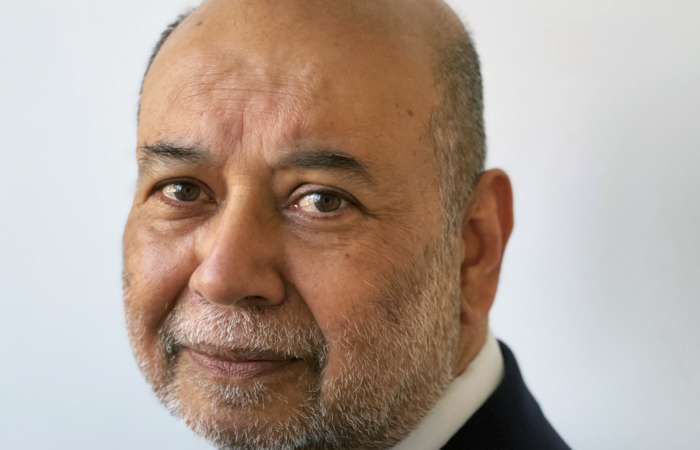
Hemant Patel is a four-time former president of the Royal Pharmaceutical Society of Great Britain.